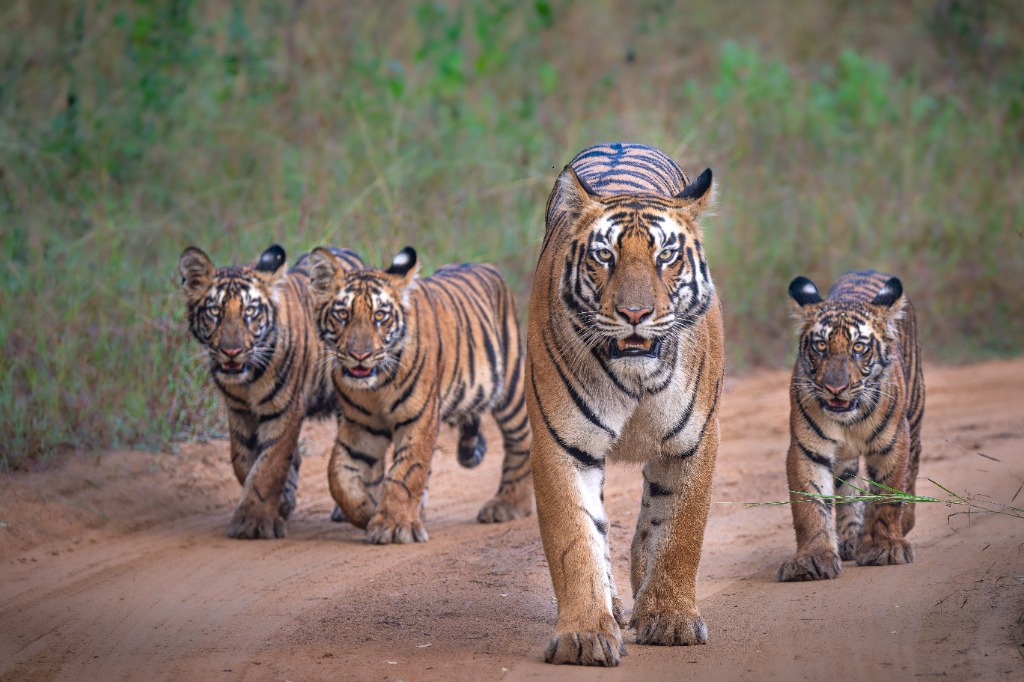
The Indian wildlife travel landscape has changed. Not long ago, the pinnacle of an Indian safari was piling into an open Gypsy, racing toward a dense thicket in Kanha or Bandhavgarh on a tip from another vehicle, and hoping to catch a fleeting glimpse of a tiger’s stripes before the dust settled. The focus was entirely on the spectacle.
But today, a growing community of serious wildlife enthusiasts and photographers are looking for something deeper. They don’t just want to see a tiger; they want to understand the ecosystem that supports it. They want to track snow leopards in the high Himalayas or follow red pandas through the mist of Singalila. They want a true naturalist's expedition.
However, the market is saturated with operators using the words "wildlife tour" or "safari guide" interchangeably, often masking the reality that they are simply booking portals selling generic jeep rides. If you are investing your time and resources into exploring India's wild spaces, finding a genuine wildlife expedition operator in India is the single most critical decision you will make. Here is how to distinguish the experts from the aggregators.
Table of Contents
Naturalist vs. Local Guide: The Ultimate Differentiator
A local driver or guide knows the park routes and wants to find you an animal. A naturalist knows the forest. This distinction is everything. A true naturalist interprets the landscape, they read the distress call of a langur, analyze pugmarks in the dust, and can explain the complex symbiotic relationships between the flora and fauna around you.
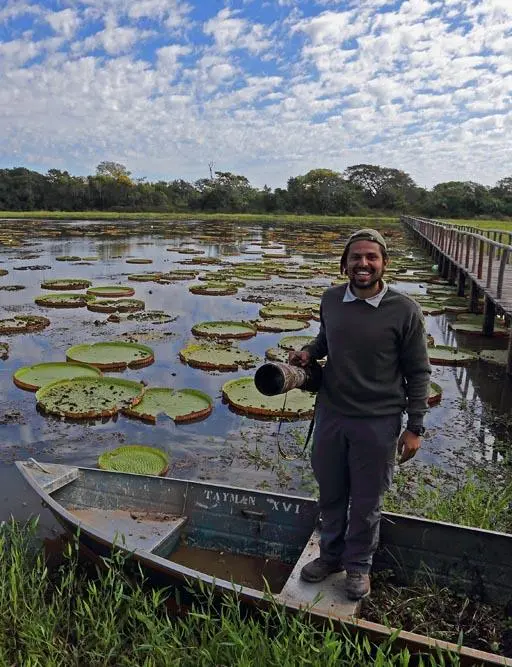
At Just Nature Expeditions, our foundation is built on field knowledge. I spent over seven years as the head naturalist at Reni Pani Jungle Lodge in Satpura before starting this company. Our senior naturalists, like Erwin D'rose and Shivraj, have spent over a decade honing their tracking skills. We do not hire contractors to run our expeditions; we lead them ourselves. When you choose an operator, ask who is actually leading the vehicle. If the answer is vague, look elsewhere.
Photographic Expertise in the Field
Wildlife photography in India is uniquely challenging. You are often dealing with dense, cluttered backgrounds in the sal forests of Central India or blinding snow glare in the high Himalayas. A standard tour guide will drive you straight up to an animal regardless of the angle of the sun.
A naturalist who understands photography will anticipate where the tiger is going to cross and position the vehicle to catch the golden hour light spilling through the canopy. Shivraj, our resident photography expert, has trained with African safari guides and understands the critical importance of a low angle and a clean background. For operators catering to serious photographers, this nuanced understanding of the craft is non-negotiable.
Small Groups and Ethical Tracking
Mass tourism has heavily impacted some of India's most famous tiger reserves. Convoys of jeeps crowded around a single animal create a chaotic environment that is stressful for the wildlife and frustrating for the observer.
A serious wildlife expedition operator actively works against this model. By capping our expeditions to small, intimate groups, we ensure that our footprint remains light. It allows us to sit quietly by a waterhole and wait for the forest to come to us, rather than chasing radio calls. It also guarantees that you have the physical space you need for your camera gear and the undivided attention of your expedition leader.
Seamless Logistics for Complex Terrains
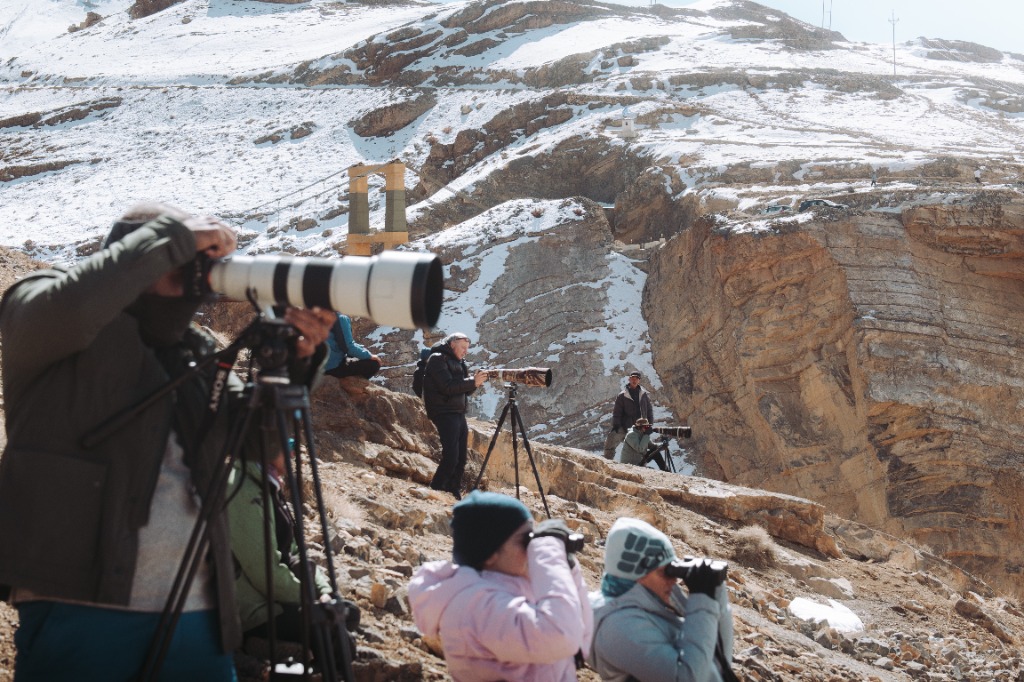
Going off the beaten path requires immense logistical foresight. When we run our snow leopard expeditions in the Spiti Valley, we aren't just dealing with wildlife; we are managing sub-zero temperatures, specialized high-altitude trekking gear, and the physical safety of our guests in a remote frontier region.
A premium operator removes all friction. They should offer tailored solutions, such as our camera rental service, which allows guests to access high-end telephoto lenses without the hassle of purchasing or transporting heavy gear across the country. They manage the permits, the local trackers, and the internal transfers seamlessly.
Frequently Asked Questions
What is the difference between a wildlife tour and an expedition in India?
Do I need to be a professional photographer to join a specialized wildlife expedition?
Why is it important to have a naturalist rather than a local guide on an Indian safari?
How do small group sizes affect the quality of a wildlife expedition in India?