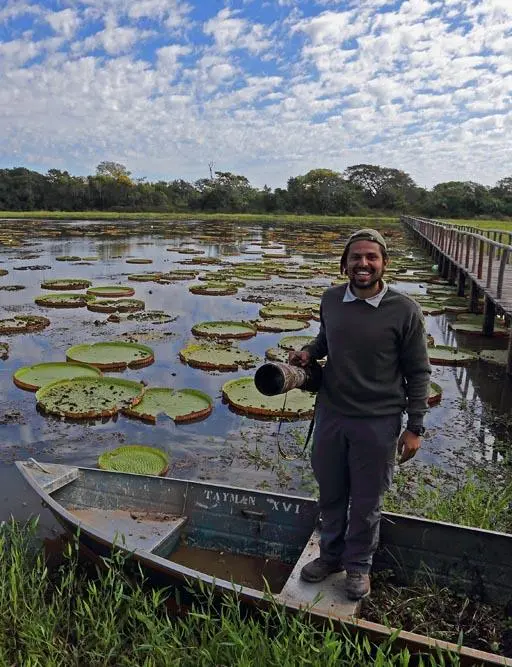
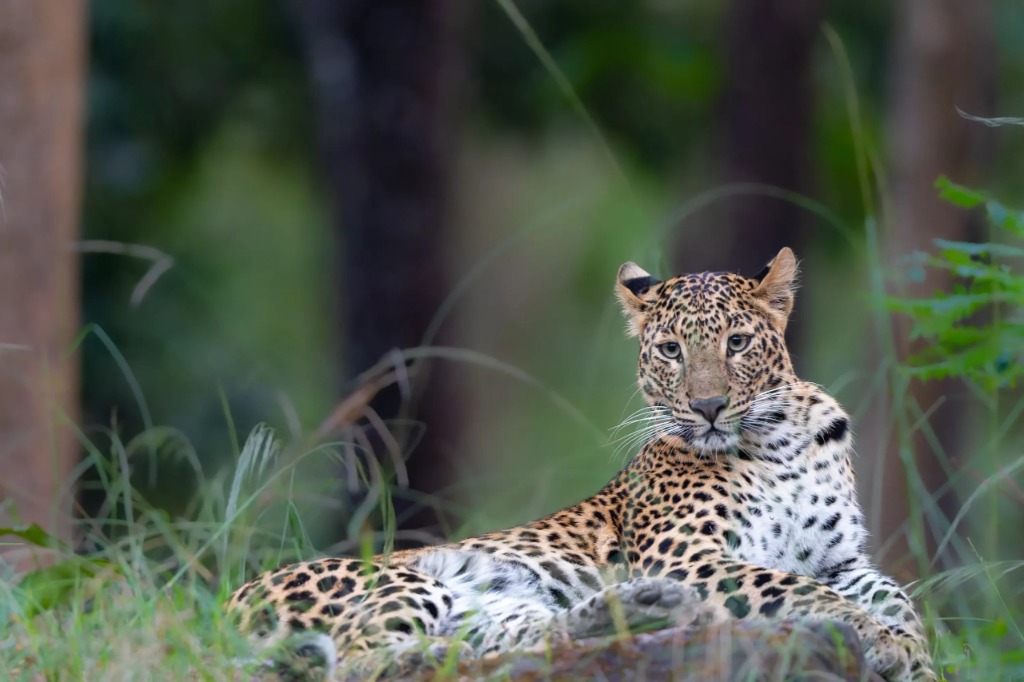
The boat drifts down the Cuiaba River just as the morning mist begins to lift. The only sound is the water lapping against the aluminum hull. Shivraj points to a break in the thick water hyacinth on the right bank. There, resting casually on a low muddy shelf, is a jaguar. It doesn't flinch. It doesn't retreat. It simply watches us, unhurried and absolute, from barely two metres away.
For an Indian wildlife enthusiast used to tracking tigers through the dense sal forests of Central India, the Pantanal feels like a completely different planet. The method is different. The terrain is different. The animal is different. The light is different. Almost nothing transfers, and that is precisely the point. In all my years leading expeditions globally, the Pantanal is the one destination that consistently does the unexpected. This isn't about peering through a thick canopy hoping for a fleeting glimpse of stripes; this is open water, natural light, and the highest density of wild jaguars on earth.
Table of Contents
- Why the Pantanal Is the World's Best Place to See Jaguars
- Understanding Jaguar Behaviour and Ecology
- The Pantanal vs. Other Big Cat Destinations
- Best Time to Visit the Pantanal for Jaguar Sightings
- The Expedition Experience
- The Pantanal for Wildlife Photographers
- Planning a Pantanal Expedition from India: The Practical Guide
- Who Leads This Expedition
- Frequently Asked Questions
Why the Pantanal Is the World's Best Place to See Jaguars
When most people think of South American jungles, they imagine the Amazon. But for serious wildlife tracking, the Amazon's near-zero visibility makes it incredibly difficult to find predators. The Pantanal, spanning Brazil, Bolivia, and Paraguay, is a vast, open floodplain. Here, the rivers carve through the landscape, creating thousands of kilometres of exposed muddy banks.
The jaguar density along the Cuiaba River and its tributaries is staggering. Because the ecosystem is so rich in aquatic and semi-aquatic prey, the jaguars here do not need vast territories like they do in dense forests. This concentration of predators, combined with the unobstructed sightlines from the water, creates an environment where you are not just hoping for a sighting, but actively observing complex behaviors out in the open.
Understanding Jaguar Behaviour and Ecology
A jaguar is not simply a leopard that likes water. They are the third-largest big cat in the world, built with a robust, heavily muscled frame and a jaw structure designed to crush the skulls of their prey. While they are solitary, their lives in the Pantanal revolve entirely around the river systems. They are exceptional swimmers, often crossing wide channels or diving to ambush Yacare caimans and giant river otters.
What a naturalist reads in a jaguar resting on a bank is very different from what a first-time visitor sees. A twitch of the thick tail, the specific tension in the shoulders before a plunge, or the way they monitor the ripples in the water all tell a story. Because they are the undisputed apex predators here, they carry themselves with an absolute indifference to our boats, allowing us to watch them sleep, hunt, and patrol without disturbing their natural rhythm.
The Pantanal vs. Other Big Cat Destinations
If you have tracked tigers in Ranthambore or lions in the Masai Mara, you are accustomed to the rhythm of the jeep. You rely on alarm calls, pugmarks in the dust, and the breaking of dry twigs. In the Pantanal, the engine is quieted, and the search is visual. We glide along the waterways, scanning the banks.
Compared to tracking snow leopards in Spiti, where you might endure sub-zero temperatures and peer through high-powered spotting scopes at a ridge hundreds of metres away, the Pantanal is incredibly close-quarters. You are at eye level with the jaguar, often separated by nothing more than a narrow strip of water. It is a deeply intimate way to experience a predator.
Best Time to Visit the Pantanal for Jaguar Sightings
During the wet season, the Pantanal floods, dispersing wildlife across thousands of square miles of inaccessible marshland. But as the dry season takes hold, the floodwaters pull back into the main river channels. The caimans and capybaras have no choice but to congregate near the water, and the jaguars follow.
For an Indian traveller, this seasonality is perfect. From July to October, India's premier tiger reserves are largely closed due to the monsoon. Instead of waiting for October, this is the ideal window to shift your focus internationally. Our upcoming expedition from Sep 11–20 is timed exactly for this peak dry-season concentration, ensuring the highest probability of exceptional sightings.
The Expedition Experience
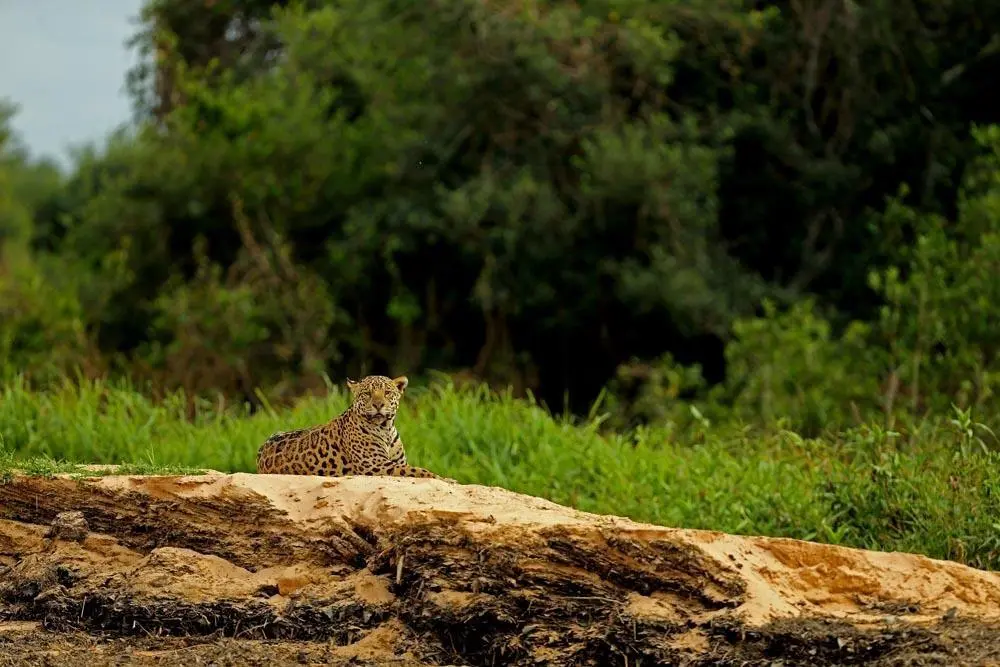
The journey into the Pantanal begins on the famous Transpantaneira highway, a dirt road that cuts through the wetlands, offering incredible birding and wildlife viewing before we even reach the boats. Once on the river, our routine settles into the rhythm of the water. We head out at first light, the air cool and the water perfectly still, navigating the labyrinth of channels.
This is not a highlight-reel tour driven by radio calls and speeding jeeps. We operate in small groups, emphasizing naturalist-led interpretation. We take the time to watch a family of giant river otters dismantle a catfish, or to photograph the brilliant blue flash of a hyacinth macaw overhead. The ecosystem is the focus; the jaguar is simply the crown jewel of a thriving, complex web of life.
The Pantanal for Wildlife Photographers
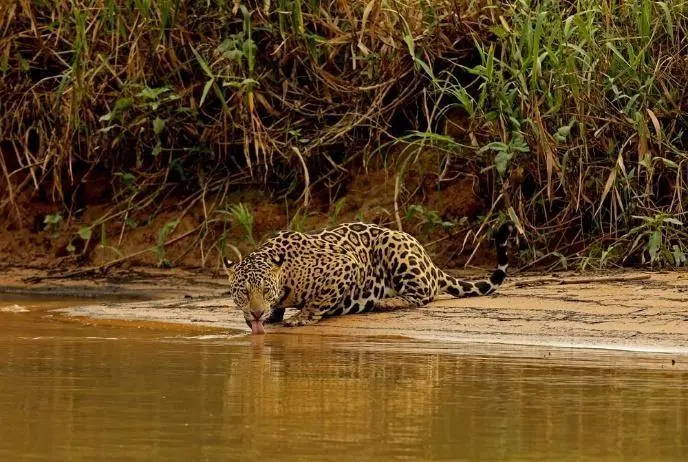
If you have struggled with the low light and cluttered backgrounds of dense Indian jungles, the Pantanal is a revelation. The light across the open water is extraordinary, especially in the golden hours of early morning and late afternoon. Shooting from a boat gives you a clean, low-angle perspective that isolates the subject against the natural shoreline.
Shivraj’s field photography expertise is invaluable here. He understands exactly how to position the boat for the best light and angle, anticipating the jaguar's movement. For an open-water environment, a 100-400mm or 200-600mm lens provides the versatility needed for both tight portraits and wider behavioral shots. For those who prefer not to travel internationally with heavy gear, Just Nature's camera rental service offers professional equipment ready for the field.
Planning a Pantanal Expedition from India: The Practical Guide
Planning a South American expedition from India requires specific logistical foresight.
Flights and Routing: The standard route from India involves flying into Sao Paulo (often via the Middle East or Europe), followed by a domestic flight to Cuiaba, the gateway to the Northern Pantanal.
Visas: Indian passport holders do require a visa to enter Brazil.
What to Pack: The Pantanal is a tropical wetland. Unlike the dry, dusty heat of a Central Indian summer, you will face high humidity and intense sun reflecting off the water. Lightweight, full-sleeved, breathable clothing, wide-brimmed hats, and high-quality polarized sunglasses are essential.
Choosing an expedition led by an India-based team means you bypass the generic, high-volume tourism model. We manage the complex logistics, provide localized pre-departure support, and ensure the on-ground experience meets the exact expectations of a serious wildlife traveller.
Who Leads This Expedition
When you travel with Just Nature, you are not handed off to a local driver. I have personally led expeditions in the Pantanal, learning the nuances of this specific ecosystem. My focus is on ecological interpretation, translating what the landscape is telling us. Shivraj, drawing from his extensive experience in field photography and training with African safari guides, ensures you are always in the best position to capture the moment. We are naturalists, not just guides, and our goal is to elevate your understanding of the wild.
Frequently Asked Questions
Can Indian travellers visit the Pantanal for a jaguar safari?
What is the best time to see jaguars in the Pantanal?
How is a Pantanal jaguar safari different from a tiger safari in India?
Do Indian nationals need a visa to visit Brazil for a wildlife expedition?
What camera equipment do I need for a Pantanal jaguar expedition?
How likely am I to see a jaguar in the Pantanal?