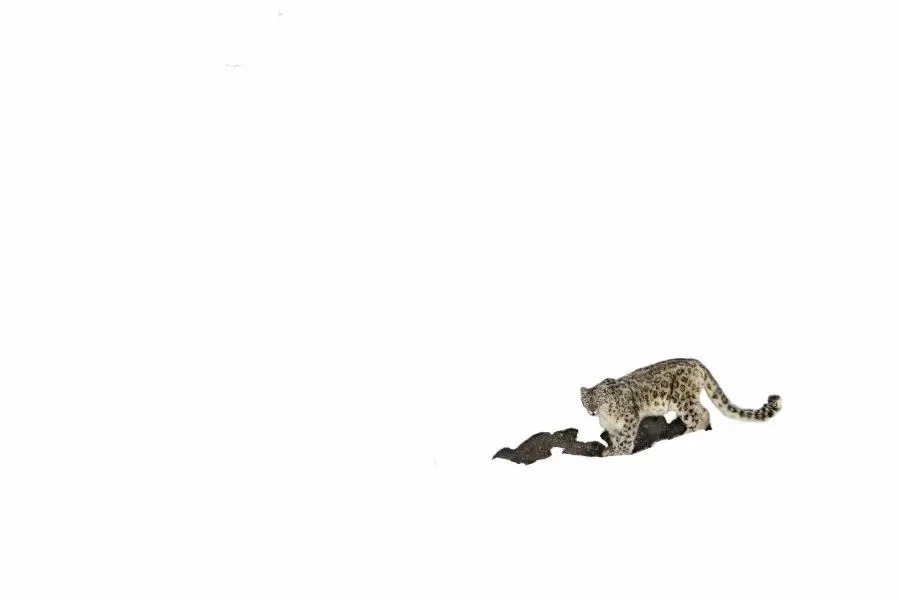
The cold at -20°C doesn't just surround you; it bites through layers of down, seeps into your boots, and demands absolute stillness. Standing on a windswept ridge at 14,000 feet in Ladakh, staring through a spotting scope at a labyrinth of fractured granite and slate, your eyes betray you. Every shadow looks like a cat. Every tuft of lichen mimics a rosette. But when the ghost of the mountains finally moves, separating itself from the stone in one fluid, impossibly graceful motion, the cold vanishes. To see a snow leopard in the wild is not just a sighting, it is a privilege earned through patience and deep respect for the harshest environment on earth.
Welcome to the ultimate frontier of wildlife tracking. This guide strips away the romanticism to give you the practical, field-tested reality of a snow leopard expedition in Ladakh. From the geography of Hemis and Ulley to the unforgiving demands placed on your camera gear, this is what it takes to track *Panthera uncia*.
Table of Contents
Why Ladakh is the Ultimate Snow Leopard Territory
While Spiti Valley offers stunning landscapes and excellent sightings, Ladakh remains the epicenter for snow leopard expeditions. Hemis National Park alone is estimated to hold over 200 snow leopards. The stark, barren geography here provides unparalleled visibility. There are no thick forests to obscure your view: only miles of jagged, high-altitude desert.
- Aly Rashid, Expedition Leader
The valleys of Ulley and Hemis are deeply integrated with local communities who have shifted from hunting to conservation. Our spotters are men who have walked these ridges since childhood. Their ability to read a valley, noticing the sudden alarm posture of a blue sheep or identifying days-old pugmarks in frozen mud, is what makes an expedition successful. This deep local expertise is exactly what you should look for when choosing a wildlife expedition operator in India.
The Tracking Experience: What a Day Looks Like
An expedition here is a masterclass in patience. We do not chase the wildlife; we wait for the mountain to reveal it.
01 Morning Scanning
Days begin before dawn. Wrapped in multiple layers, we sip hot butter tea while our spotters set up Swarovski scopes on prominent ridge lines. We scan the valleys methodically, dissecting every rock face. The focus is rarely on finding the cat directly; instead, we look for its prey.
02 The Role of Local Spotters
A herd of blue sheep grazing peacefully means nothing is there. But if a herd is standing stiff-legged on an impossible ledge, staring intently down a gully; that is when the spotters freeze. Their localized knowledge of territorial boundaries and recent kills is the most valuable asset on the mountain.
03 The Sighting
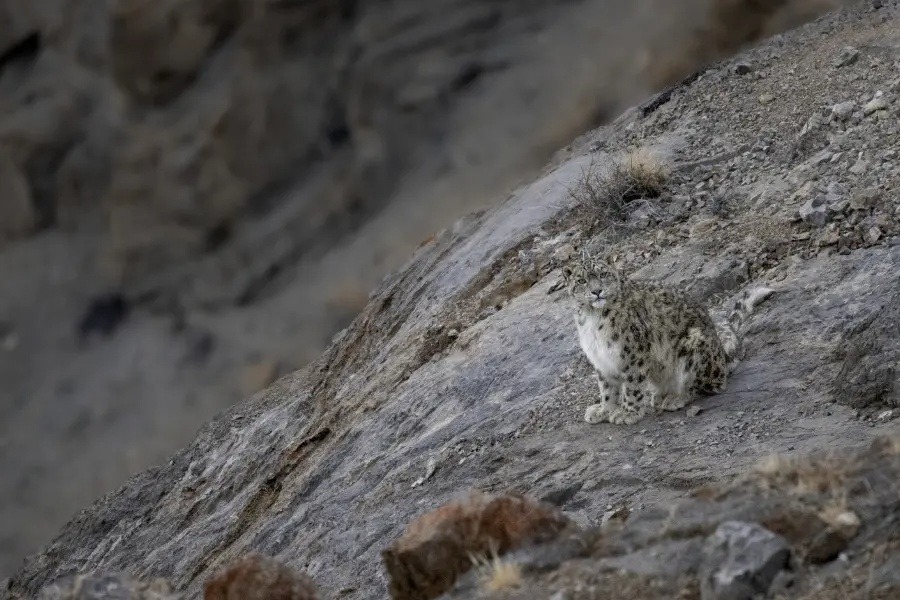
When the call is made, adrenaline takes over. We move to a designated viewing ridge, taking care not to break the skyline. The snow leopard may be a kilometer away across a gorge, or walking a narrow shelf just a few hundred meters above us. Through the scope, you watch an apex predator entirely at ease in a lethal environment.
Camera Gear and Photography in Sub-Zero Conditions
Your gear will be tested to its absolute limits. Cold saps battery life aggressively, and the harsh, contrasting light of the snowfields can confuse your camera's metering system.
- Aly Rashid, Expedition Leader
01 Focal Length is King
A 70-200mm lens will not cut it here. You need a minimum of 400mm, preferably 600mm, often paired with a teleconverter. The cats navigate terrain that humans simply cannot cross, meaning the distance between you and the subject is dictated by the geography of the gorge.
02 Battery Management
Always carry at least three spare batteries. Keep them in an inner pocket close to your core body heat. Do not leave them in your exterior backpack pockets, or they will drain to zero in hours.
03 Just Nature Camera Rentals
Buying a $10,000 600mm prime lens for a single expedition isn't practical for everyone. Just Nature offers an exclusive camera rental service for our guests, providing high-end bodies and super-telephoto lenses specifically tailored for the demands of a Ladakh expedition.
Essential Preparation and Acclimatization
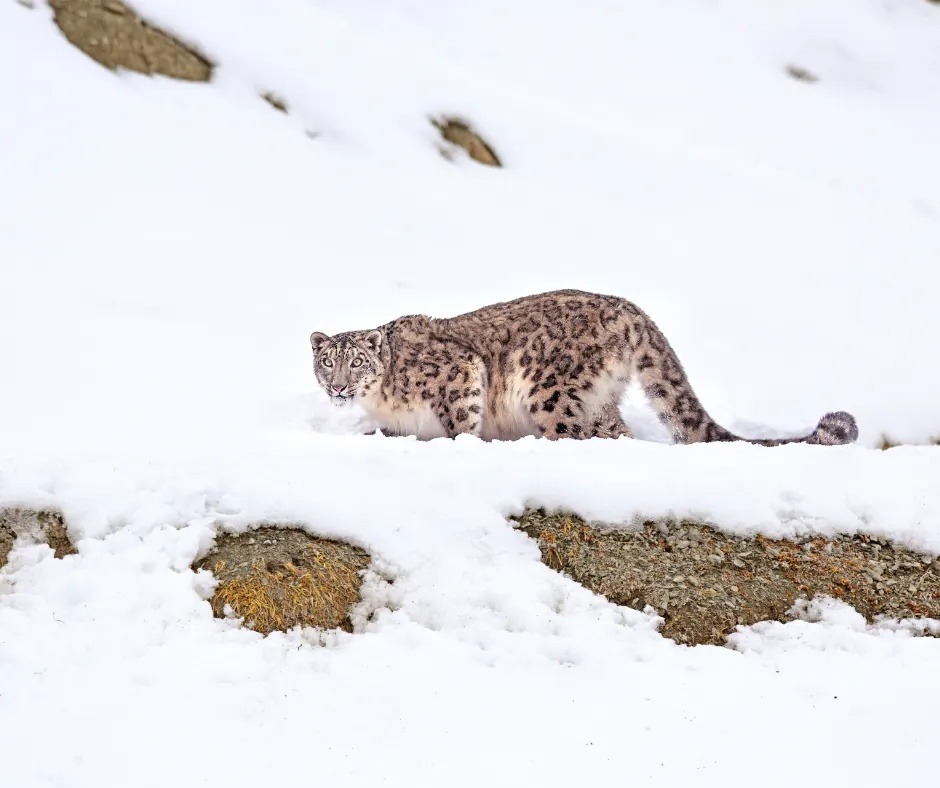
High altitude pulmonary edema (HAPE) and acute mountain sickness (AMS) are real risks. We mitigate this through strict protocols, but your personal preparation is key.
The Essential Gear Checklist:
- Merino wool base layers (top and bottom)
- Heavyweight down parka (800+ fill power)
- Windproof and waterproof outer shell trousers
- Insulated, waterproof trekking boots (rated for -20°C)
- Heavy duty mittens over thin liner gloves (for operating camera dials)
- UV-rated polarized sunglasses (snow blindness is a real threat)
A snow leopard expedition is perhaps the most demanding wildlife journey you can undertake in India. But when the wind dies down, and you watch a mother and cub navigate a sheer cliff face in complete silence, every frozen morning and breathless climb becomes profoundly worth it. To plan a private journey to Hemis or Ulley, explore our tailor-made expedition options.
Frequently Asked Questions
How do you handle acclimatization for the Ladakh snow leopard expedition?
What is the success rate for seeing snow leopards in Ladakh?
Do I need extreme mountaineering fitness to track snow leopards?
Can I rent professional camera gear from Just Nature for this trip?
Why is the winter season the only time to see snow leopards?