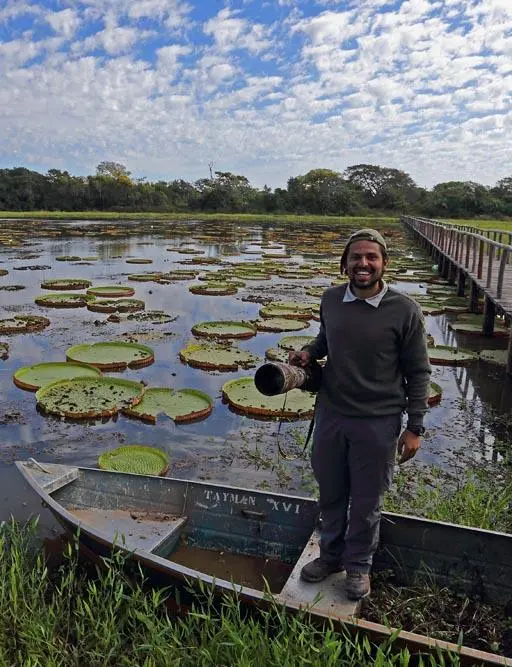
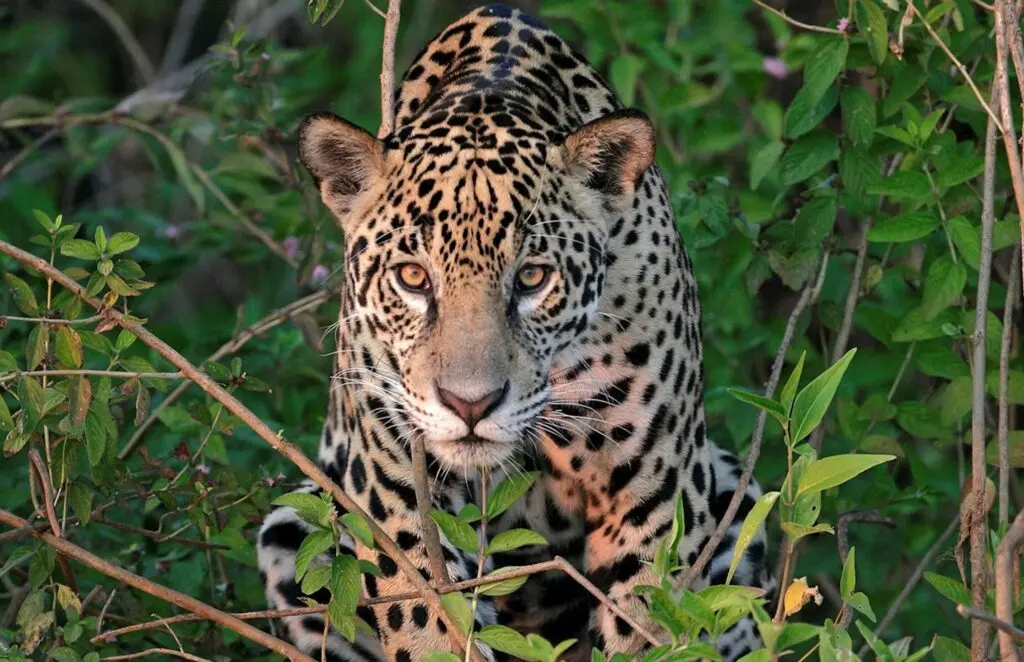
At dawn on the Cuiabá River in Brazil's Northern Pantanal, our skiff cuts its outboard engine and drifts silently alongside a steep clay bank. Ten metres away, framed by overhanging figs, an adult male jaguar (Panthera onca) steps onto the sandbar, his amber eyes locked onto a basking Yacare caiman. For a naturalist raised in the sal forests of Central India, the openness of a Pantanal wildlife safari is extraordinary: here, the Americas' largest apex predator hunts in broad daylight in full view of your boat.
Sprawling across western Brazil's Mato Grosso and Mato Grosso do Sul states into Bolivia and Paraguay, the Pantanal is the largest tropical wetland on Earth, comprising 3% of the planet's wetland surface. While first-time visitors often assume the Amazon rainforest is South America's top wildlife destination, the Pantanal's open floodplains, gallery forests, and Pantaneiro ranches hold the highest concentration of visible wildlife on the continent.
Table of Contents
What Makes the Pantanal the World's Premier Wetland Wildlife Sanctuary?
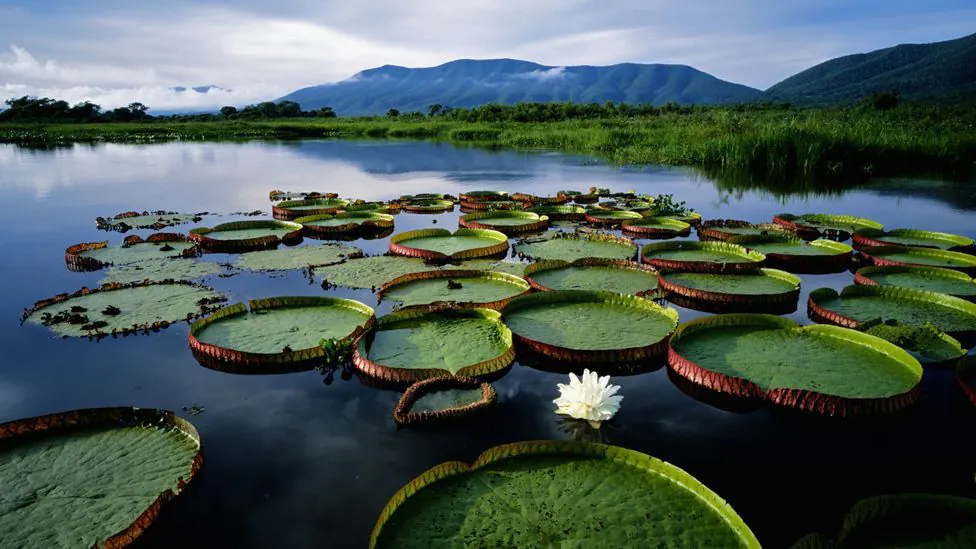
Derived from the Portuguese word pântano (marsh), the Pantanal wilderness acts as a giant seasonal sponge. Between November and March, highland rains flood up to 80% of the basin, nourishing fish nurseries and marshes. As waters recede from May to October, millions of fish and caimans gather in shrinking lagoons and permanent rivers, creating a feeding spectacle across this UNESCO World Natural Heritage Site.
Why Is the Pantanal the Best Place on Earth to See Wild Jaguars?
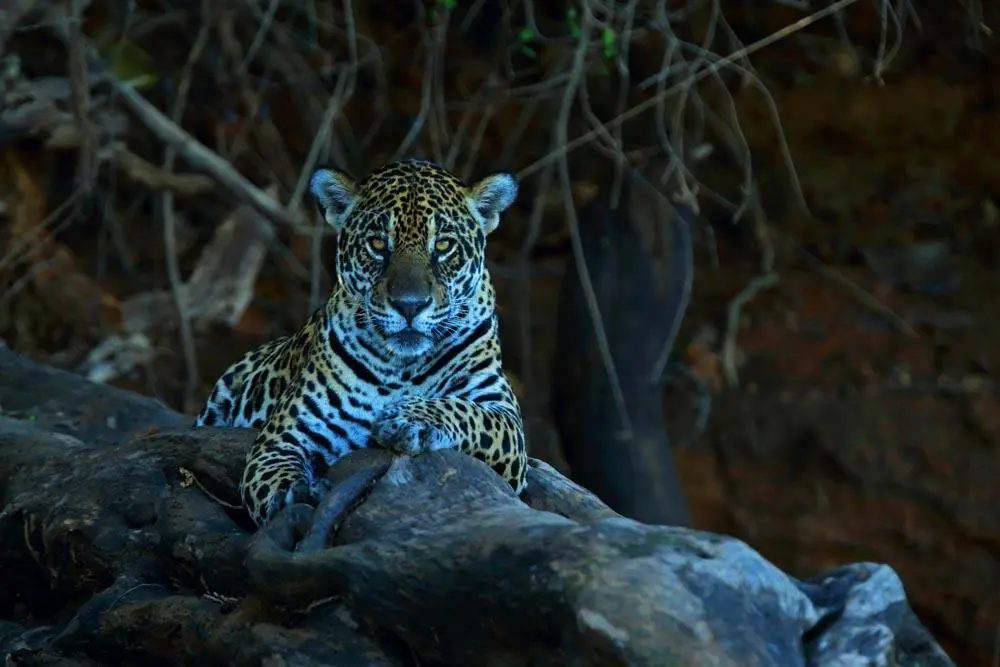
The jaguar (Panthera onca), from the Tupi-Guarani word yaguara ("he who kills with one leap"), is the largest felid in the Americas and third-largest big cat globally. Listed as Near Threatened on the IUCN Red List, it has the strongest bite force relative to size of any big cat, piercing turtle shells and crushing caiman skulls between the ears.
While 1,600 to 2,000 jaguars live across the Pantanal, the river network around Porto Jofre and Encontro das Águas State Park, supported by conservation groups including Panthera's Jaguar Program, hosts the largest individuals (males exceeding 120 kg). As covered in our Pantanal Jaguar Safari Guide for Indian Travellers, skiff safaris along the Cuiabá, Three Brothers, and Piquiri rivers deliver eye-level views of jaguars swimming and ambushing prey.
What Iconic Mammals, Birds, and Reptiles Share the Pantanal Floodplains?
01 Which Rare Mammals and Reptiles Dominate the Riverbanks and Savannas?
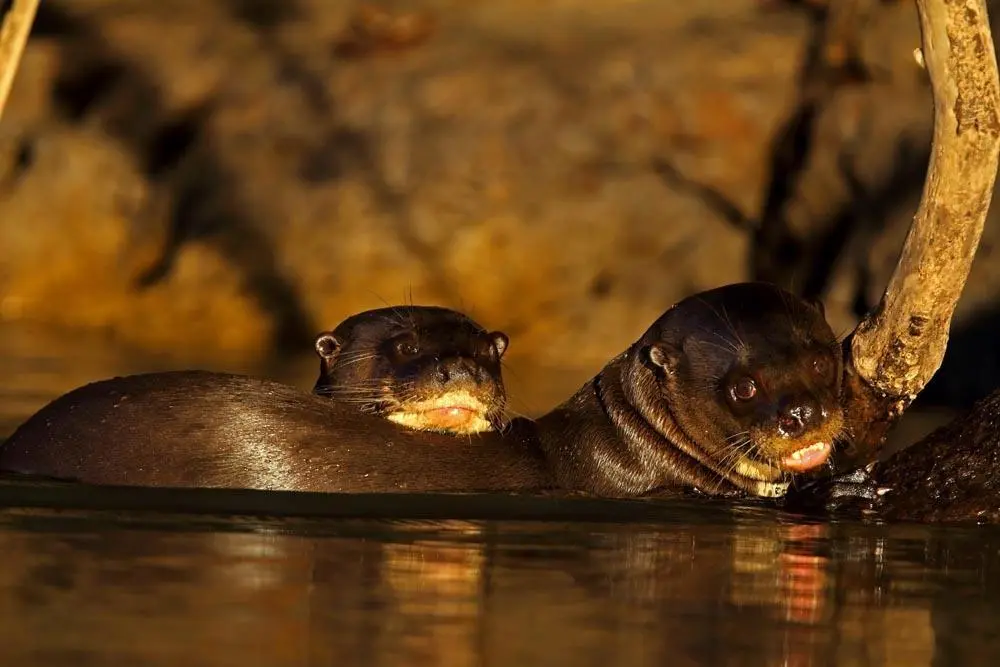
- Giant River Otter (Pteronura brasiliensis): Endangered 1.8-metre river carnivores that hunt piranhas and catfish in vocal family packs.
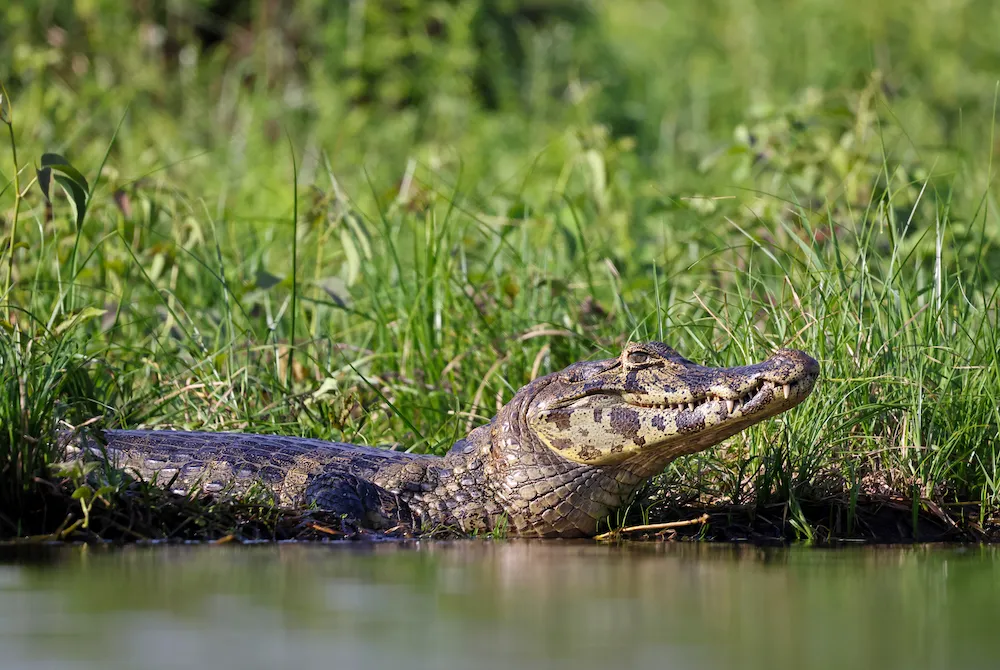
- Capybara & Yacare Caiman: The world's largest rodent and 10+ million caimans form the primary prey base along every sandbar.
- Giant Anteater & Lowland Tapir: Iconic savanna mammals regularly spotted on morning ranch drives at Pousada Piuval.
- Ocelot, Marsh Deer & Howler Monkeys: Wild ocelots photographed after dusk at SouthWild Santa Tereza alongside marsh deer and howler monkeys.
02 Why Is the Pantanal a Bucket-List Paradise for Birdwatchers?
Around ranch courtyards at Pousada Piuval and SouthWild, pairs of Hyacinth Macaws (the world's largest flying parrot at 1 metre) crack acuri palm nuts overhead. Drying pools along the Transpantaneira attract Jabiru Storks, Roseate Spoonbills, Southern Screamers, Capped Herons, and Black-collared Hawks, while night drives reveal Great Potoos.
— Aly Rashid, Founder & Naturalist Expedition Leader, Just Nature Expeditions
When Is the Best Time to Visit the Pantanal for a Wildlife Safari?
We schedule our Jaguars of the Pantanal Expedition in mid-September (11th–20th September) when low water levels maximise riverbank jaguar sightings:
| Season | Water & Temps | Jaguar & Mammal Sightings | Birding & Flora |
|---|---|---|---|
| Peak Dry (Jul – Oct) | Lowest water; 20°C – 36°C | Peak Jaguar Window: Multiple daily boat sightings on Cuiabá & Three Brothers rivers. | Wading bird flocks at shrinking pools; yellow & pink Ipê trees bloom. |
| Shoulder (May – Jun) | Dropping water; 18°C – 30°C | Good Terrestrial Safari: Anteaters and tapirs on dry savannas; early river jaguar sightings. | Lush green marshes, crisp skies & nesting Jabiru storks. |
| Wet Flood (Nov – Apr) | Up to 80% flooded; 24°C – 38°C | Dispersed Prey: Caimans spread into marshes; jaguars hunt away from main rivers. | Water lily carpets, migratory birds & boat-only plains access. |
How Do You Explore the Pantanal: Transpantaneira Road Safaris vs Porto Jofre Boats?
Over 95% of the Pantanal consists of traditional cattle ranches (fazendas) stewarded by Pantaneiros, whose ranching culture makes up over 80% of the local economy. Because the raised dirt Transpantaneira Highway ends at Porto Jofre, combining northern fazendas with river flotels gives you both savanna mammals and riverine jaguars:
| Pantanal Zone | Access from Cuiabá | Safari Mode | Signature Wildlife |
|---|---|---|---|
| Pousada Piuval | 110 km south (via Poconé) | Open 4x4 safari trucks, walks & night drives | Giant anteaters, lowland tapirs, Hyacinth Macaws & Toco Toucans. |
| SouthWild Pantanal | 170 km south (Km 65) | River boat, canopy towers & night hides | Ocelot & Birding Hub: Evening wild ocelot hide, Agami Herons & jabirus. |
| Porto Jofre (Jaguar Flotel) | 250 km south (Road End) | Radio-equipped aluminium skiffs | World Jaguar Capital: Daily jaguar & giant otter tracking on 4 rivers. |
How Does Just Nature's 10-Day Jaguars of the Pantanal Expedition Work?
Our 10-Day Jaguars of the Pantanal Expedition moors you for four nights right inside "Jaguarland":
- Days 1 to 3 (Cuiabá to SouthWild Pantanal Lodge): Arrive at Cuiabá Airport (CGB) and drive down the Transpantaneira to SouthWild Pantanal Lodge for ocelot hides, jabiru nests, and river excursions.
- Days 4 to 7 (Four Nights at Jaguar Flotel, Porto Jofre): Full morning and afternoon boat safaris across the Cuiabá, Three Brothers, and Piquiri channels tracking jaguars and giant river otters.
- Days 8 to 10 (Pousada Piuval to Cuiabá): Savanna 4x4 drives for giant anteaters, tapirs, and Hyacinth Macaws before returning to Cuiabá. Need a 100-400mm or 200-600mm lens? Reserve via our Camera Rental service.
Frequently Asked Questions About Visiting the Pantanal
Where is the Pantanal located and how big is it?
Is the Pantanal or the Amazon better for seeing wildlife in Brazil?
How many jaguars live in the Pantanal and what do they eat?
What is the best time of year to visit the Pantanal?
How do travellers from India reach the Northern Pantanal?
Who are the Pantaneiros and how do they coexist with wildlife?